


 Hospitals
  Lebanon
  Founded in 1946
  Antelias 70378

 hopital.notredame@sistersofthecross.org.lb




History of the hospital
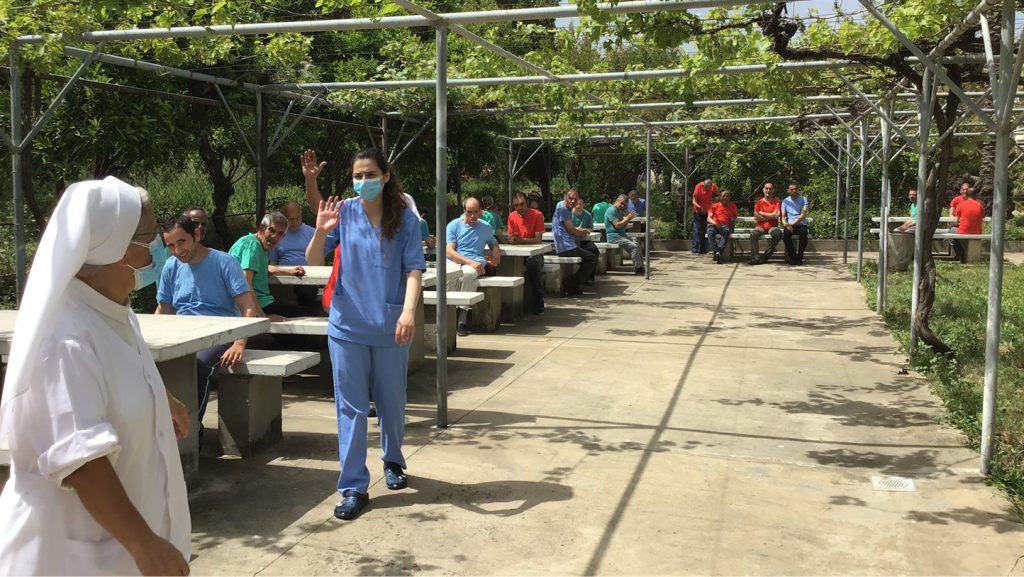
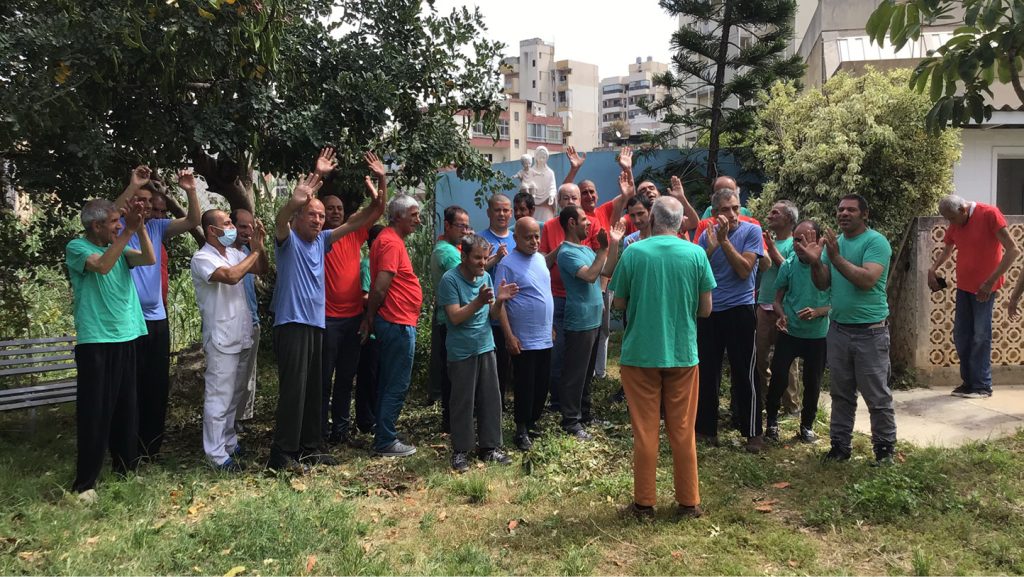
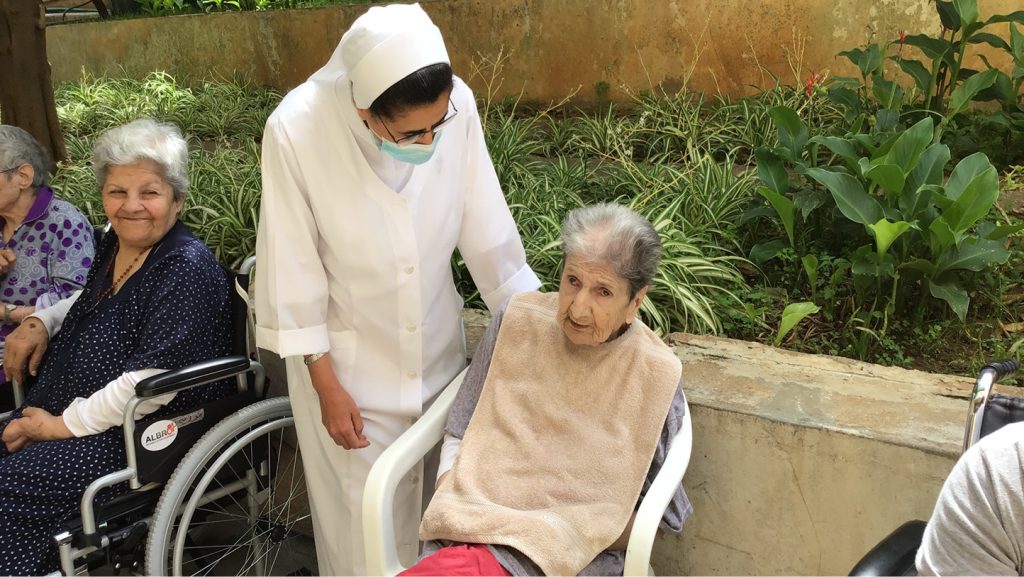
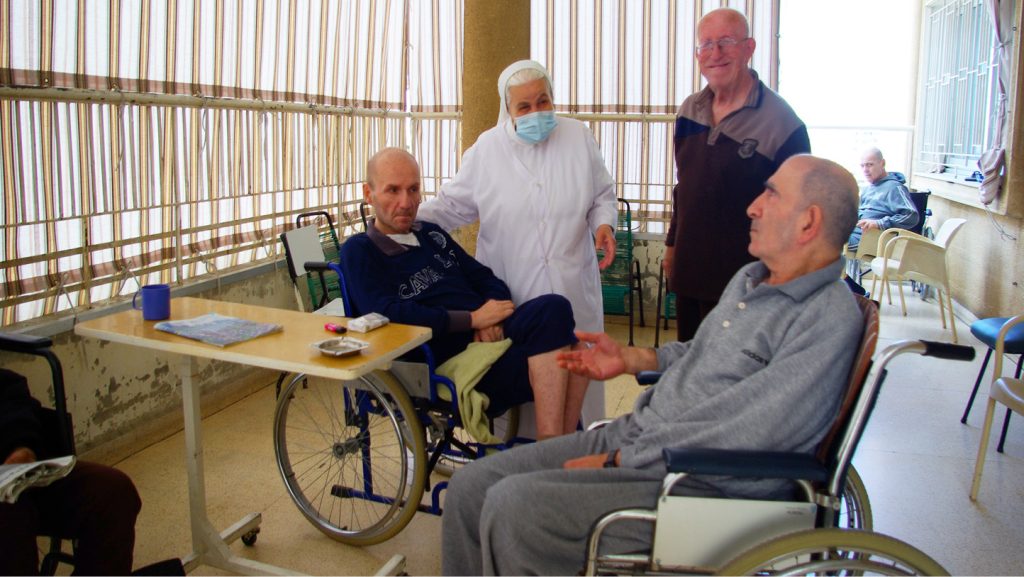
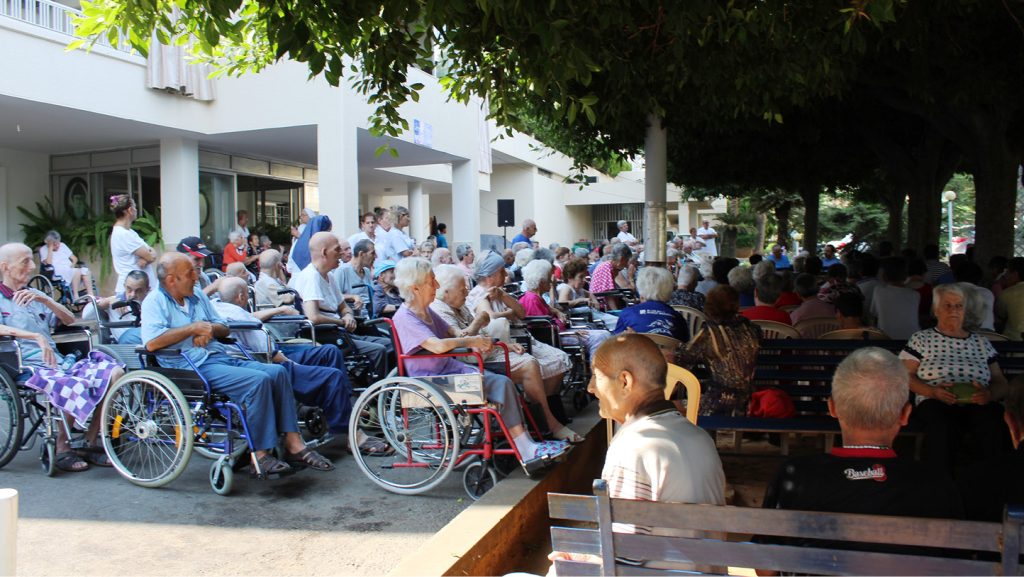
Abouna Yaacoub decided to separate the chronic patients and elderly from the mentally ill. So in 1946, he bought a house in Antelias and transformed it into a branch of the Hospital of the Cross where he moved the patients, men and women, and baptized it in the name of the Virgin Mary for his love and devotion to Her. The works began in 1948, after obtaining an official license from the Ministry of Health. In the first year, the hospital received seven patients. The project was then developed and the construction expanded; today, the hospital hosts five hundred and thirty-five elderly patients, suffering from chronic, mental and physical illnesses, who go there for treatment, or to end their lives, in an atmosphere of comfort. It should be noted that the patients are of all ethnicities, confessions, and nationalities.
During the war that ravaged Lebanon between 1975 and 1989, the hospital was hit by missiles which caused damages to its buildings, and several patients were injured in their beds. Thanks to God and to the Blessed Virgin, the damages have been repaired.
The hospital today
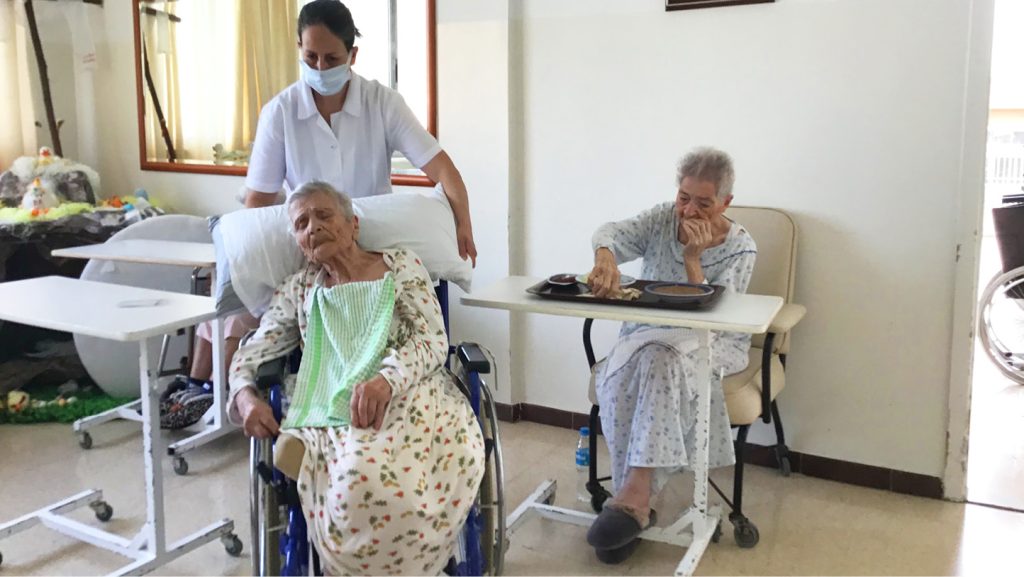
The existence and sustainability of our Lady Hospital is a crucial need, since the sick and the elderly have the right to be in a place that gives them the necessary attention. If this hospital had not existed, the Sisters of the Cross would have had to find a similar hospital; and all this thanks to the foresight of Abouna Yaacoub and the recognition of the needs of his compatriots.
The hospital is characterized by the application of accreditation standards, set by the Ministry of General Health, in the provision of nursing care, so that it complies with international standards of elderly health services. It should be noted that the hospital has become an important center for training, and for the acquisition of professional and human skills, by welcoming many students in Nursing, Physiotherapy, and hairdressing, from various medical, technical and nursing universities and institutes.
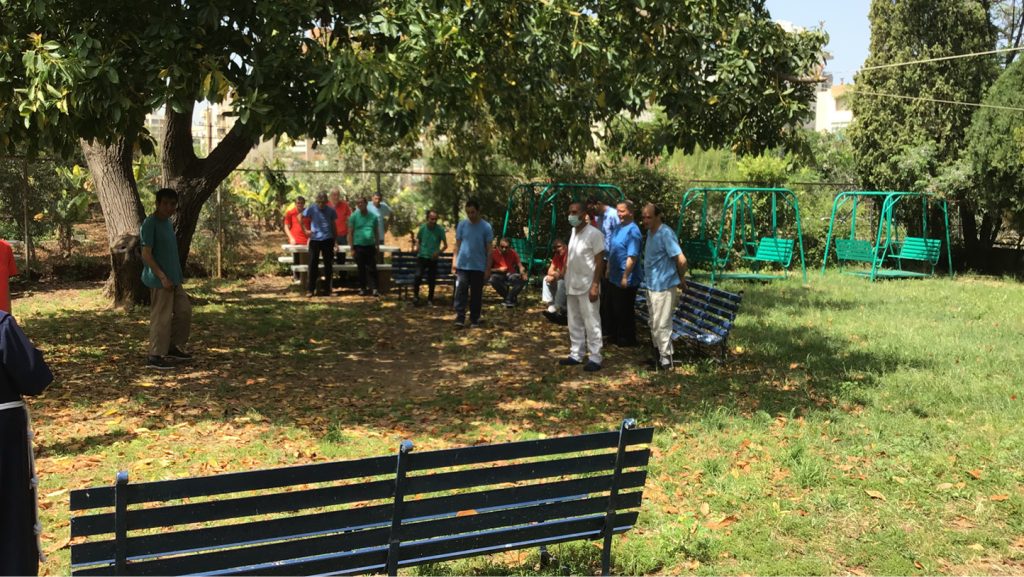
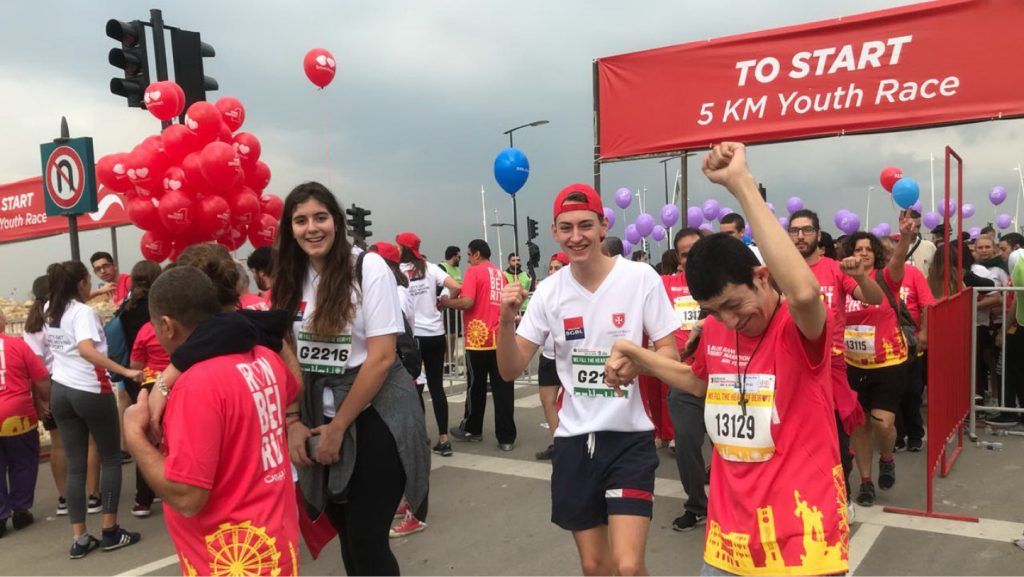
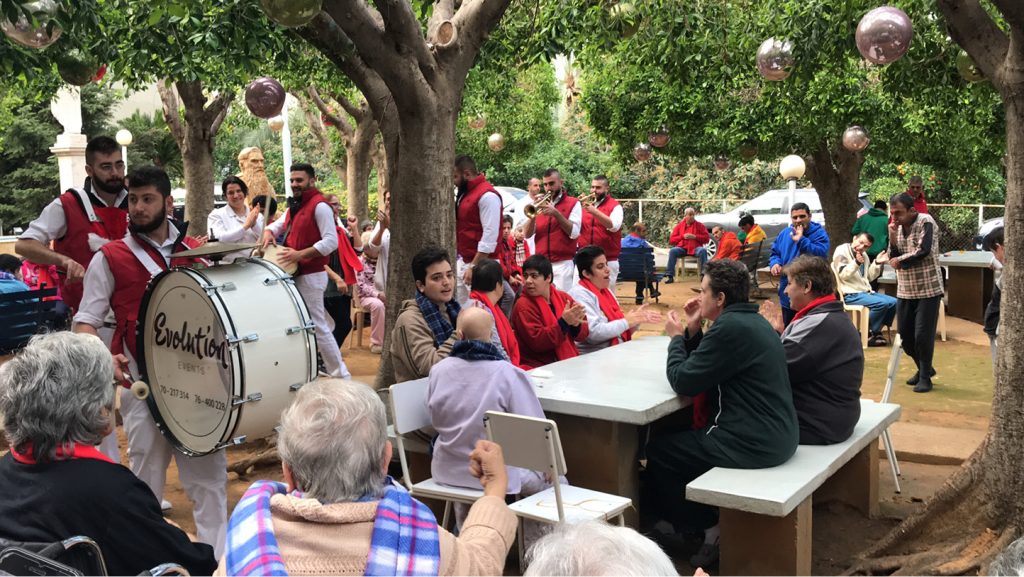
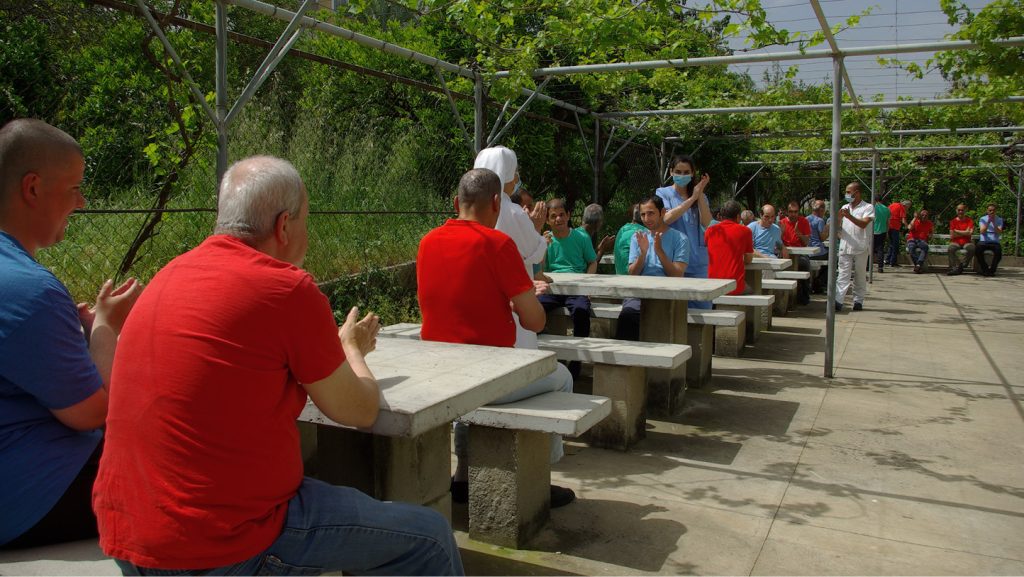
In addition to medical care, this hospital provides the patients with recreational and spiritual activities, and the staff with continuous training provided by the Lebanese Red Cross and Saint Joseph University, and sometimes by the doctors of the hospital, psychiatrists, and other specialists. Without however forgetting retreats and spiritual accompaniment, on various religious occasions.
- Hospital services:
– Saint Francis Pavilion: for men, it includes one hundred and eighty beds
– Saint Elie Pavilion: for men, it includes seventy-seven beds
– Saint Paul Pavilion: for women, it includes fifty-one beds
– Saint Anne Pavilion: for women, it includes one hundred beds
– Saint Charbel Pavilion: for women, it includes one hundred and twenty-seven beds
- Specialized services:
1. Physiotherapy service:
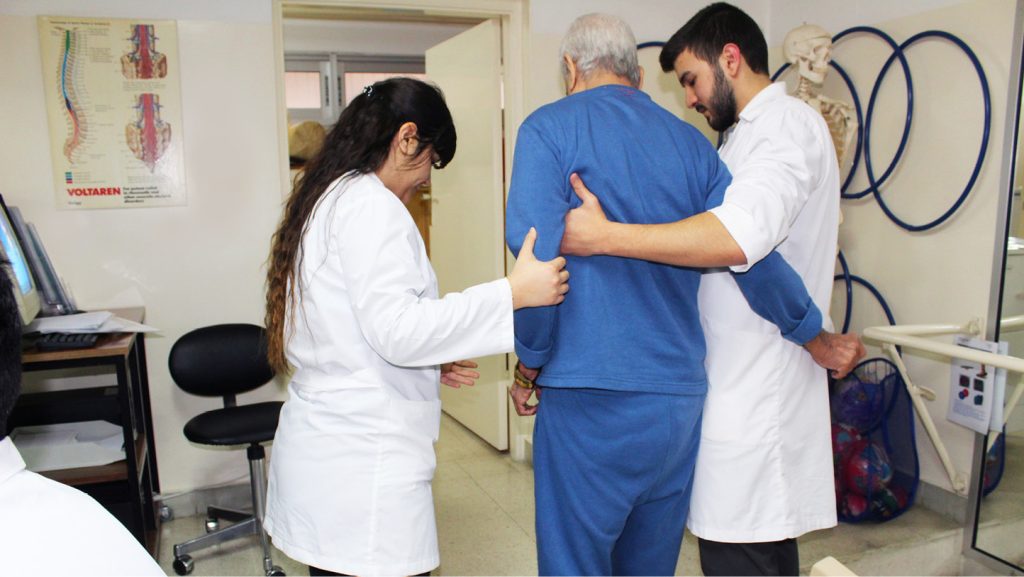
It was created in 1994 to treat patients with physiotherapy, either in the department specially equipped with new medical devices; or within hospital departments for patients unable to move or bedridden, in order to avoid health problems due to sleep, continuous seating and immobility.
2. The occupational therapy service:
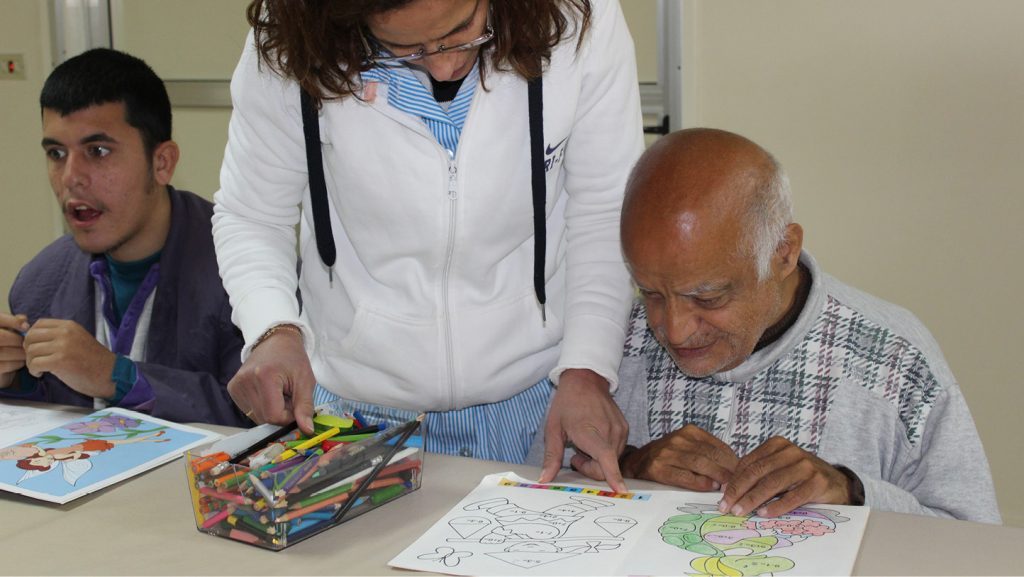
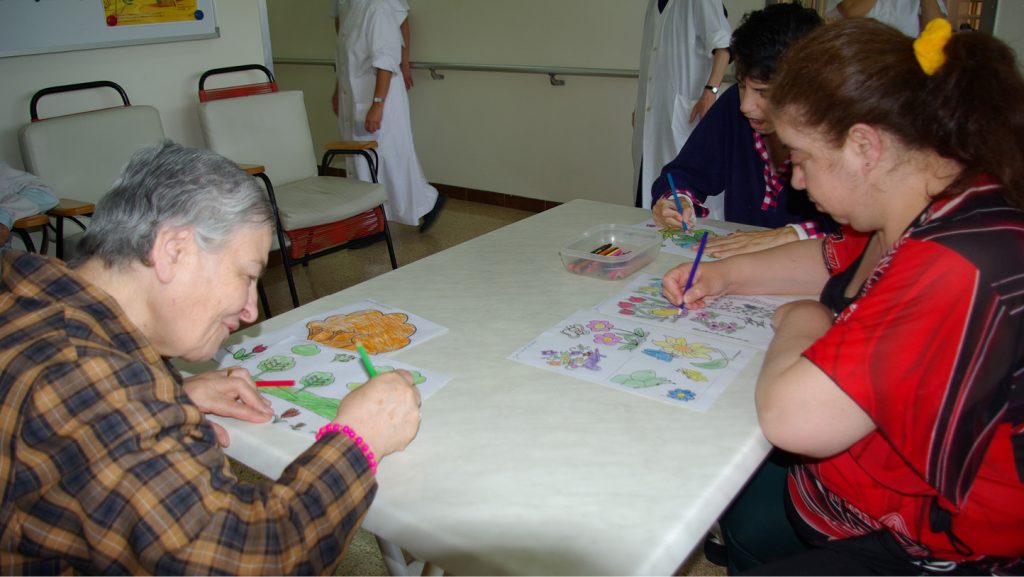
It was created in 1994. It opens its doors to patients all day long, and can accommodate dozens of patients where they carry out various activities, in particular manual work.
3. The pharmacy:
It was created in 1996. It provides the medicines and medical products necessary for the treatment of hospital patients.


